- 11 mins
Rebuilding a trail, bringing a burned forest back, standing ready for wildfire and turning waste into something useful again. In Torres del Paine, protecting the land takes concrete work and a commitment that has to be renewed every season.
Torres del Paine is one of the most recognized natural destinations in the world. It is also a fragile one. Its forests grow slowly, wildfires leave marks that can last for decades, and the concentration of visitors on certain trails puts steady pressure on soil, water and vegetation.
In a place like this, sustainability cannot stop at cutting consumption inside a hotel. It also means restoring what has been damaged, organizing how tourism moves through the park, studying its biodiversity and preparing the next generation to keep protecting it. These are some of the initiatives Las Torres Patagonia is driving to meet those challenges.
Reconstruction of the Base Torres Trail
The trail to the Base Torres viewpoint is one of the most walked and most iconic routes in the park. Constant foot traffic, combined with rain, wind and runoff, can strip away soil, damage drainage and slowly widen the original path.
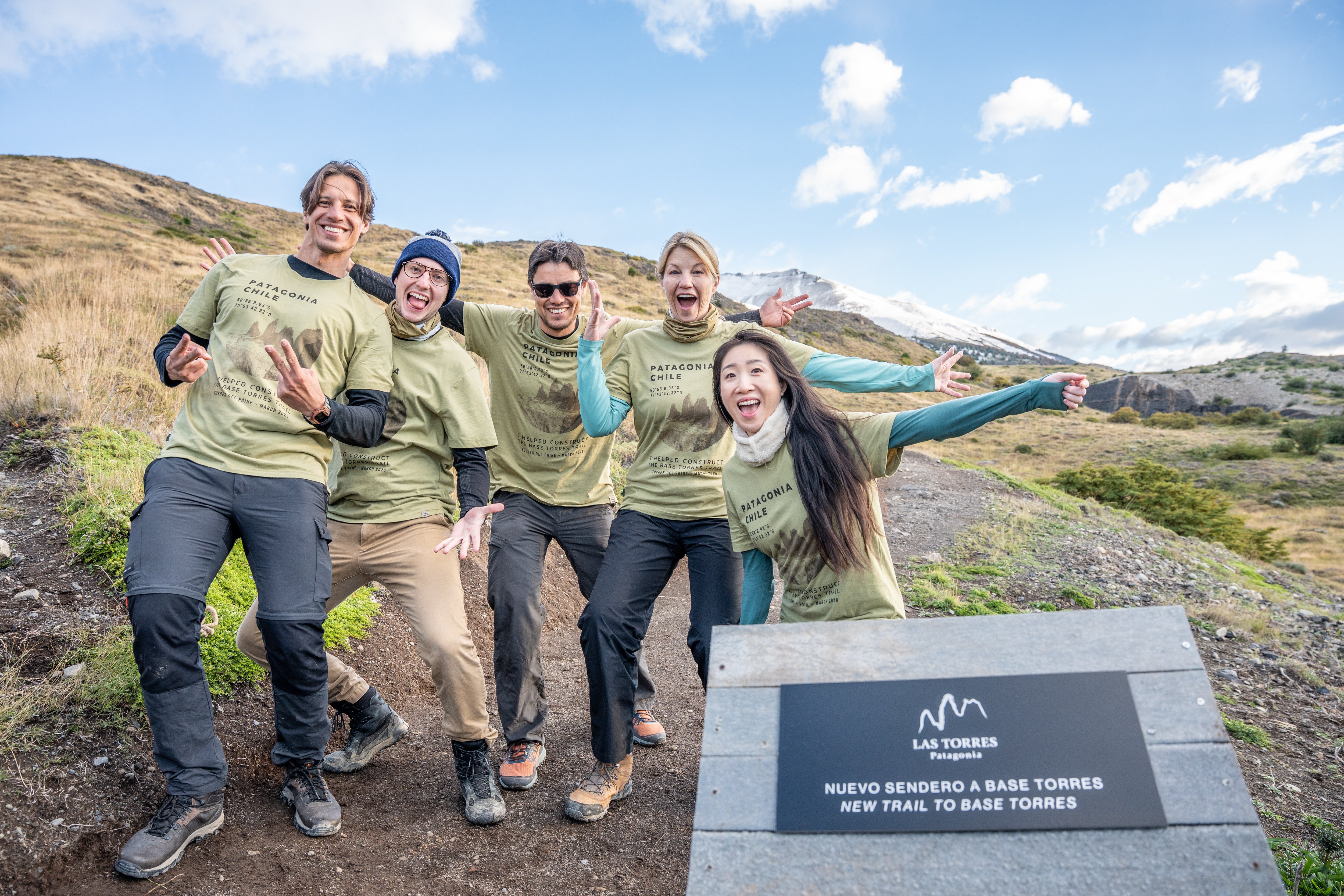
To address this, Las Torres Patagonia is carrying out a reconstruction project built on sustainable trail design. The first phase, covering 3.3 kilometers, has already been completed. This section separates hikers from the horseback logistics that supply the mountain, which improves safety, brings order to the route and eases the pressure concentrated on a single surface. The next stage covers another 1.5 kilometers.
The new layout incorporates gradients and drainage systems that guide water off the path instead of letting it carry the trail away. The goal is not simply to patch damaged sections, but to build a trail that holds up better against both foot traffic and Patagonian weather.
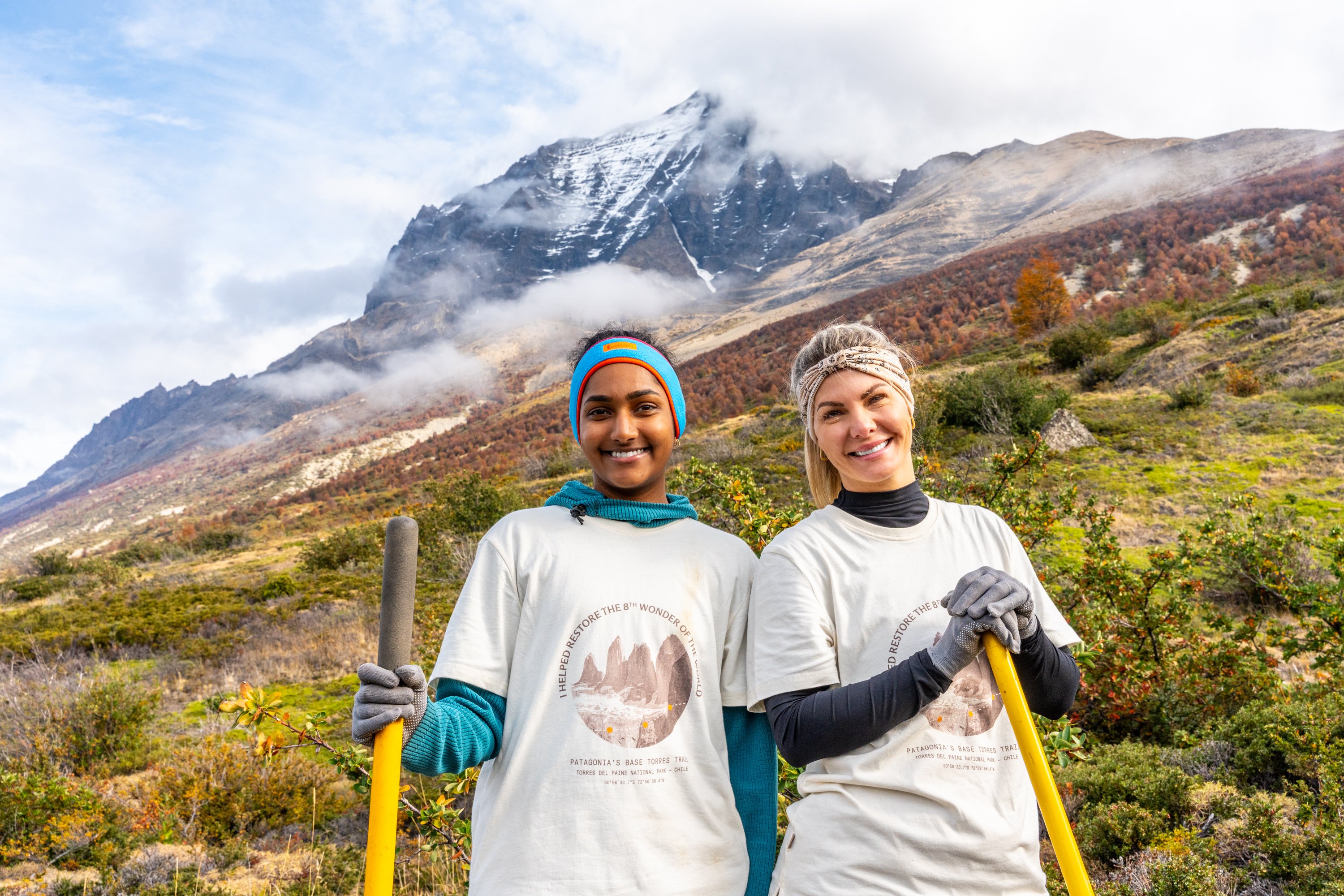
Part of this work is carried out through the 10 Volunteers for 10 Days campaign, which held its third edition in 2026. People from different countries work alongside specialists and local crews on construction and maintenance tasks.
Lenga Reforestation and Native Forest Recovery
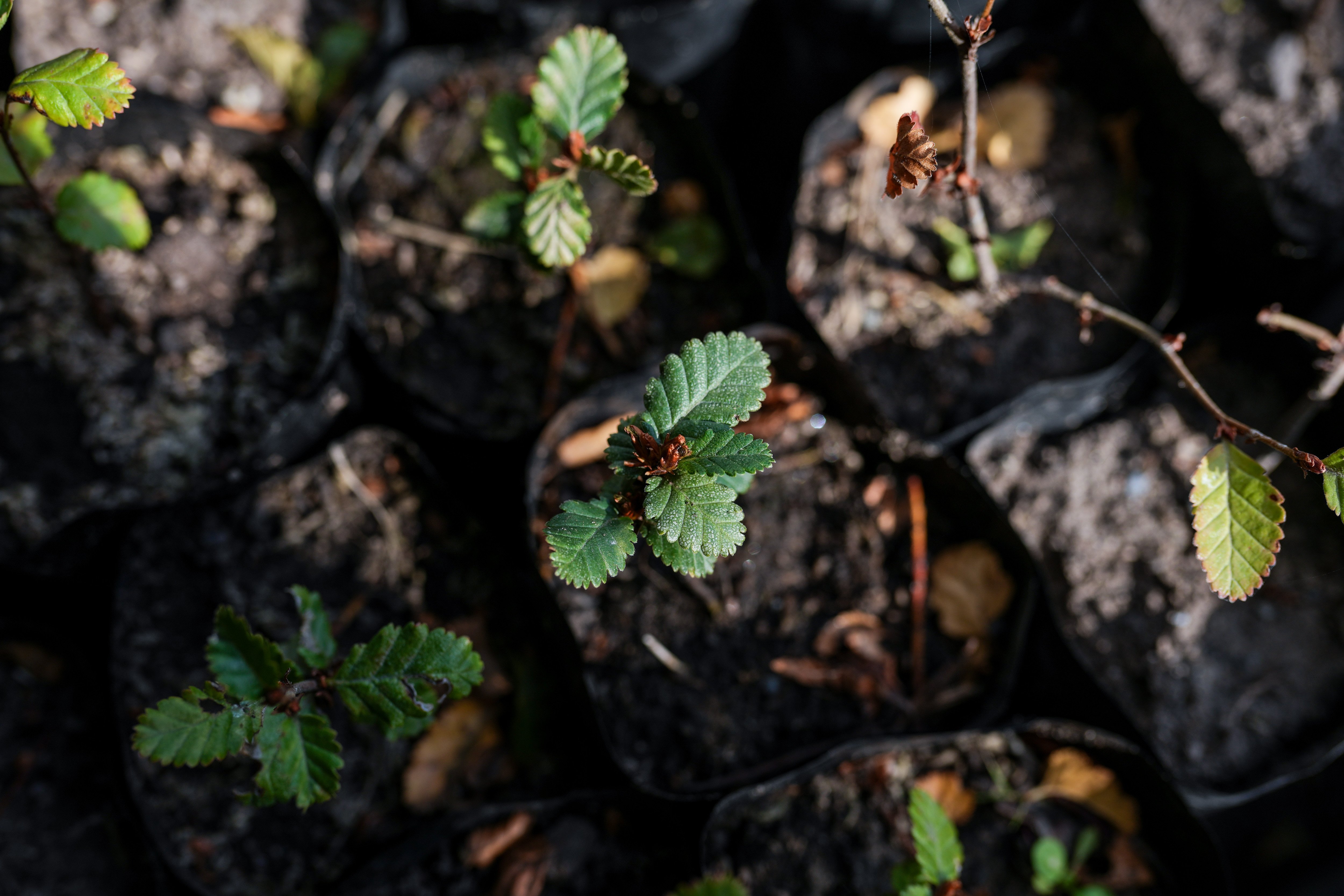
A lenga tree can live more than five centuries, storing carbon for that entire time. Wildfires have left a deep mark on Torres del Paine: the fire of 2011–2012 affected more than 17,000 hectares of steppe and native forest.
The ten thousand lengas campaign was born as a response, with the goal of planting 10,000 native trees per season. To date, more than 69,000 lengas have been planted.
The seedlings are grown in the company's own nursery, supported by a seed orchard that holds more than 20,000 lenga seeds. Reforesting in Patagonia is work whose results will be seen by future generations, and one of the clearest expressions of long-term conservation there is.
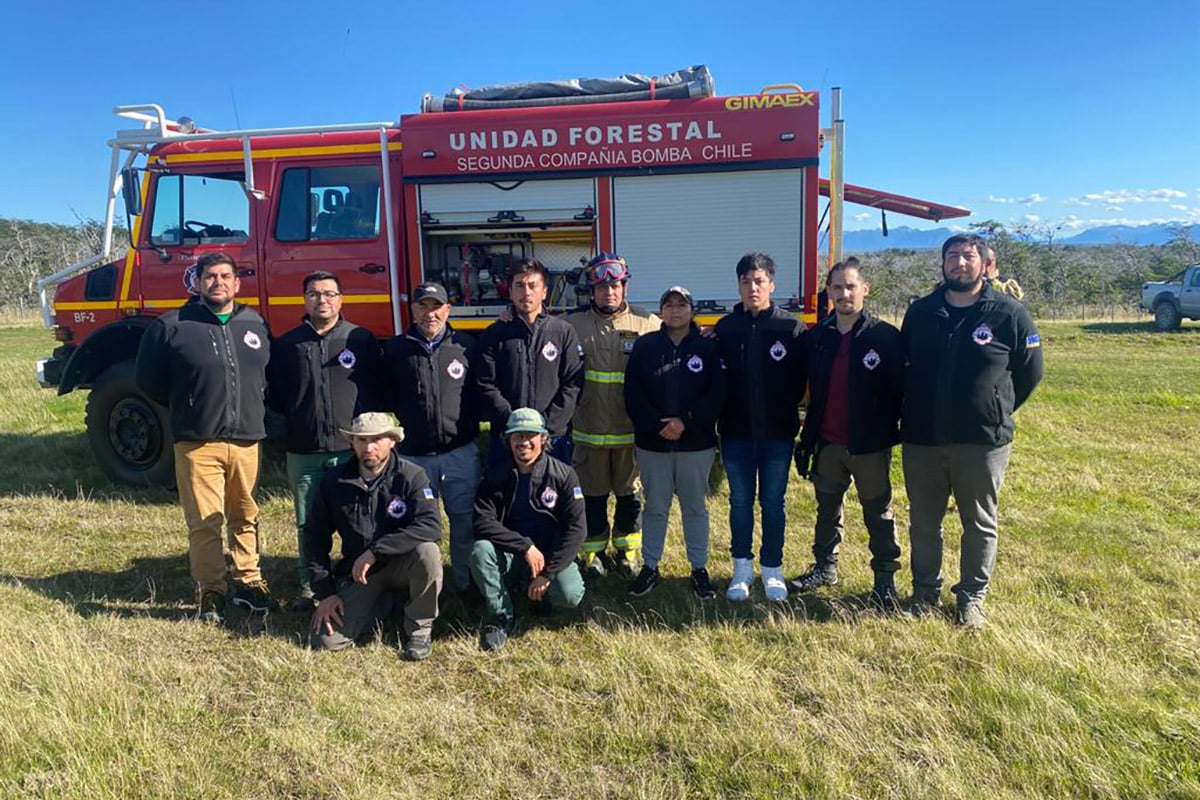
Wildfire Brigade and Forest Prevention
In remote territory, the gap between an alert and the arrival of help can decide everything. A small ignition point can spread quickly on the Patagonian wind, threatening ecosystems, infrastructure and human lives.
Since 2024, Torres del Paine has had its own wildfire brigade and station, an initiative that strengthens local emergency response capacity. The team is made up of volunteers and staff trained through classroom and field instruction, fire control exercises and protocols for operating in isolated areas.
The brigade works in coordination with the fire service, CONAF and other authorities. The aim is not to replace specialized agencies, but to shorten response times and put trained people on the ground during the first critical moments of an emergency.
Prevention is part of the job as well. The brigade takes part in training sessions, drills and exercises designed to identify risks and improve coordination among the institutions operating inside the park.
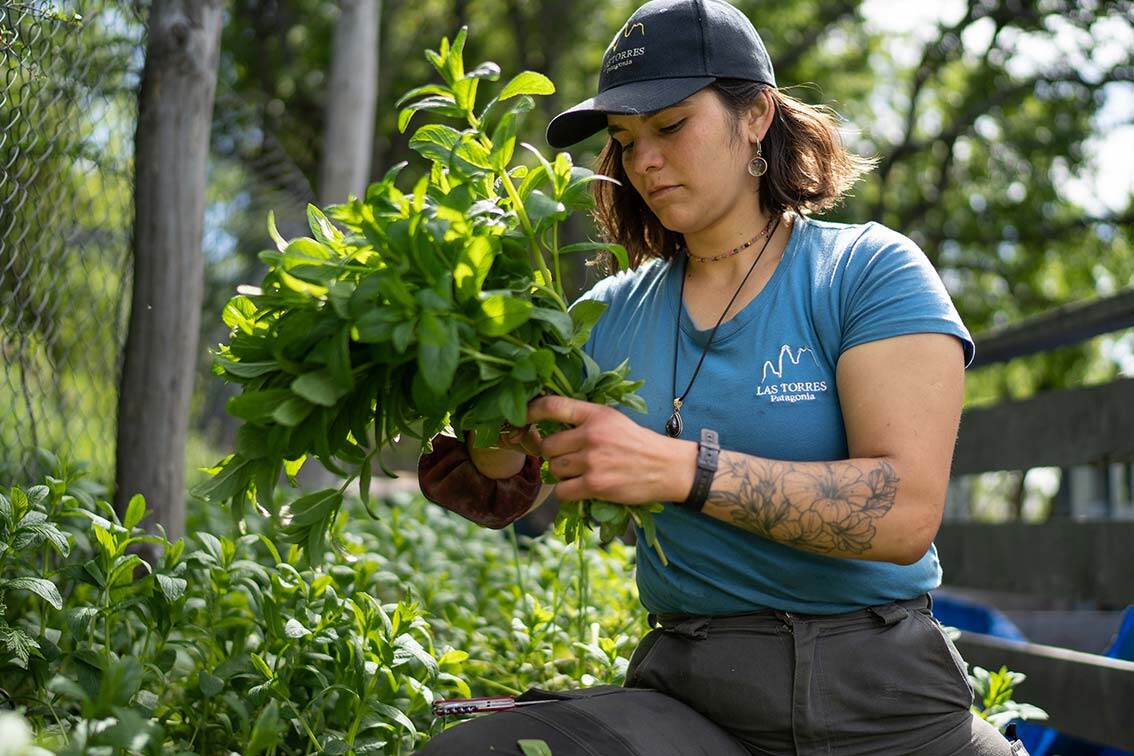
The Biointensive Garden and Local Food Production
The location of Torres del Paine creates a logistical challenge: much of the food and supplies must travel long distances before reaching the park, which means fuel, refrigeration and packaging.
The biointensive garden at Las Torres Patagonia traces its origins to the 1950s, when the Kusanovic family began growing their own food. Today it covers close to half a hectare, producing vegetables, fruit, herbs and edible flowers.
Crop rotation, composting and biodiversity management keep the soil fertile. Over the last season, the garden produced more than 1,700 kilos of food for the hotel, some of which goes straight to the kitchen and to the cocktail menu at Bar Pionero.

Waste Management: Composting and Glass Recycling
Distance complicates waste management too, since everything that leaves Torres del Paine has to be stored and hauled out of the territory. That makes reducing, reusing and transforming materials especially relevant here.
Organic waste from kitchens and operational areas is separated to produce compost and nutrients for the garden. Culinary by-products are put back to use as well, including the spent barley left over from brewing beer. During the 2023–2024 season, 51.4 tons of organic waste were turned into compost or supplementary animal feed.
At Bar Pionero, bottles are cut, polished and turned into glasses that go back into service in the same bar. The initiative has produced close to 2,000 glasses, proof that a discarded material can still be given another job to do.
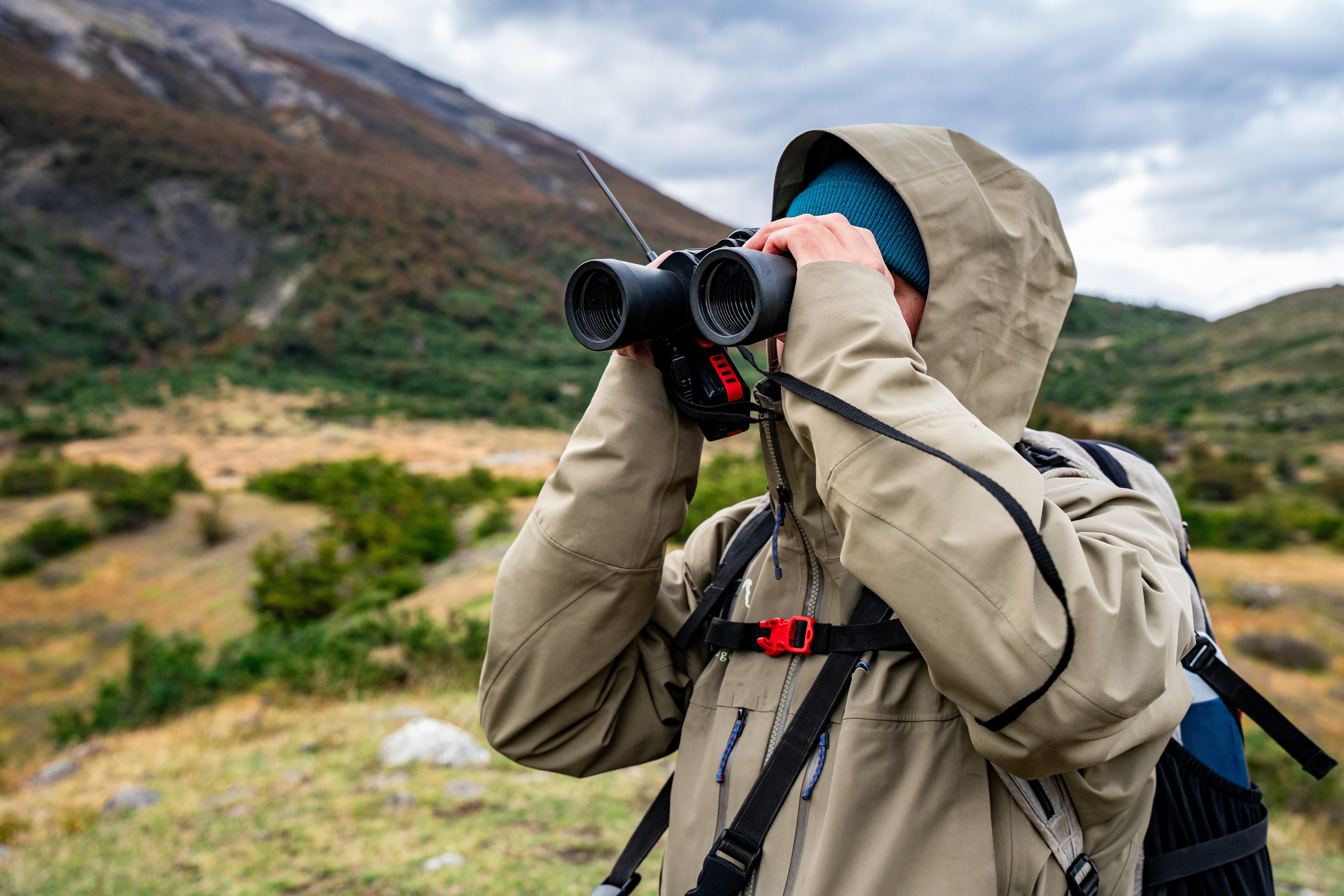
Wildlife Monitoring and Conservation
Conservation does not depend on intervening in the landscape alone. It also requires understanding which species live there, how they move and how they respond to human presence and to changes in their surroundings.
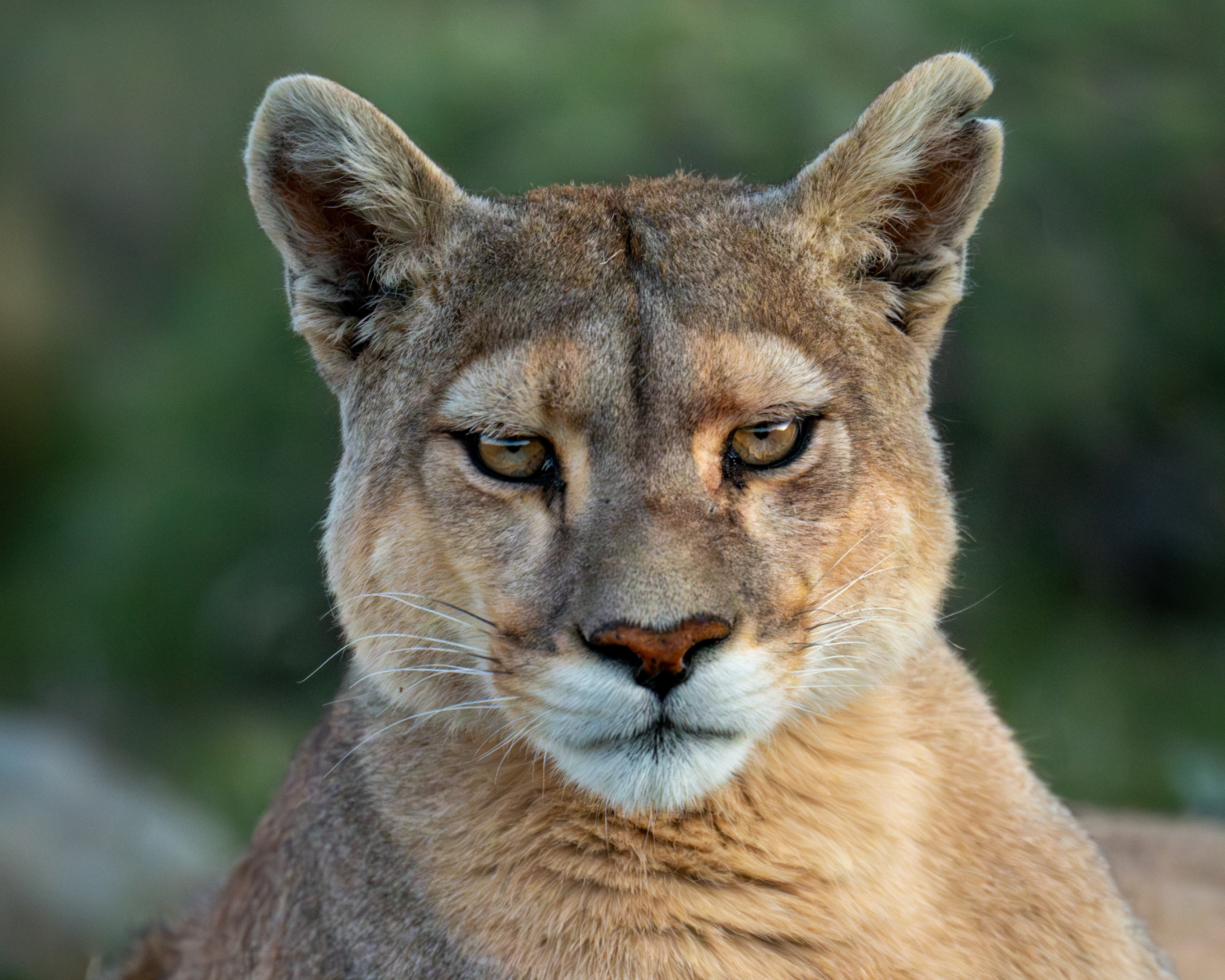
Las Torres Patagonia Conservancy runs research and monitoring projects using camera traps, field observation and the ongoing work of park rangers. Among the species studied are the puma, the Andean condor, foxes and the Geoffroy's cat.
In the last season alone, camera traps recorded 296 puma detections. These records help identify wildlife corridors, study activity patterns and generate information that guides management decisions and supports responsible coexistence between visitors and wildlife.
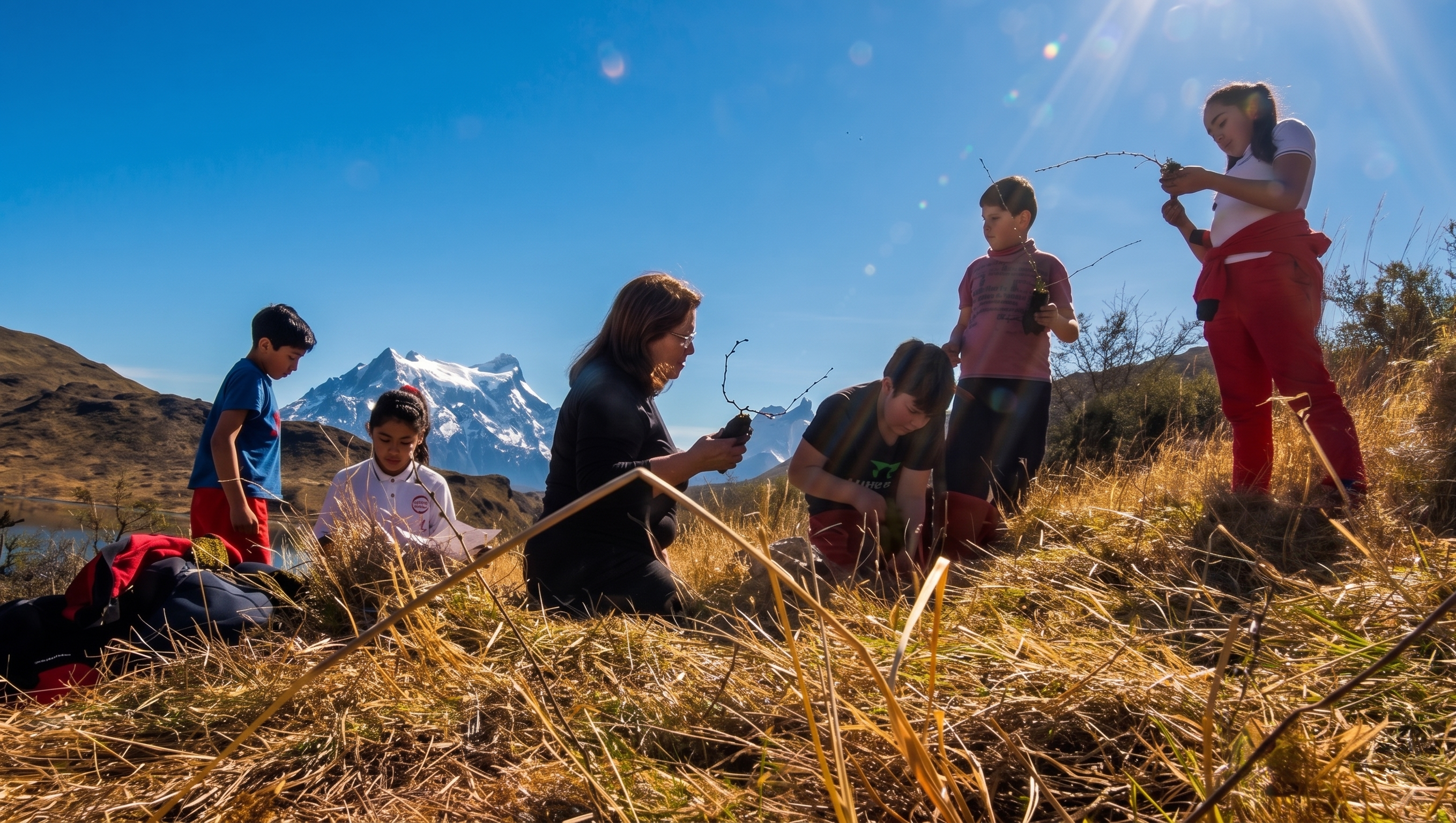
Environmental Education for Students in Magallanes
Beyond the season, the time of day may matter even more than the month of your trip. The puma is a primarily crepuscular animal. Its activity tends to concentrate in the first hours of the day and in the moments before nightfall.
In low light, the puma becomes harder to pick out against the landscape — an advantage that lets it approach its prey unseen. These hours also coincide with cooler temperatures and with moments when guanacos tend to gather to rest or feed in open ground, creating favorable conditions for hunting.
For the observer, the advice is clear: rise early or head out in the late afternoon, and bring warm clothing, binoculars, and above all, patience. Staying at a hotel in Torres del Paine, inside the park, makes that rhythm far easier: setting out before dawn doesn't mean adding hours of travel from outside.
Results and Progress in Sustainability
All of these sustainability actions and projects are aimed at reducing the impact of tourism, protecting ecosystems and contributing to the long-term conservation of Torres del Paine.
3.3 kilometers of new trail, more than 69,000 lengas planted, close to 2,000 glasses made from recovered bottles, more than 1,700 kilos harvested from the garden and 448 students meeting conservation in the field for the first time.
These figures do not resolve the environmental challenges facing Torres del Paine on their own, but they do make it possible to measure progress, improve processes and sustain a lasting commitment to protecting this territory.
Through these and other initiatives, Las Torres Patagonia continues to advance a more conscious form of tourism, one aimed at reducing its impact, restoring ecosystems and helping care for one of the most emblematic natural destinations in Patagonia.
Learn more about our conservation projects on Las Torres Patagonia.