- 9 mins
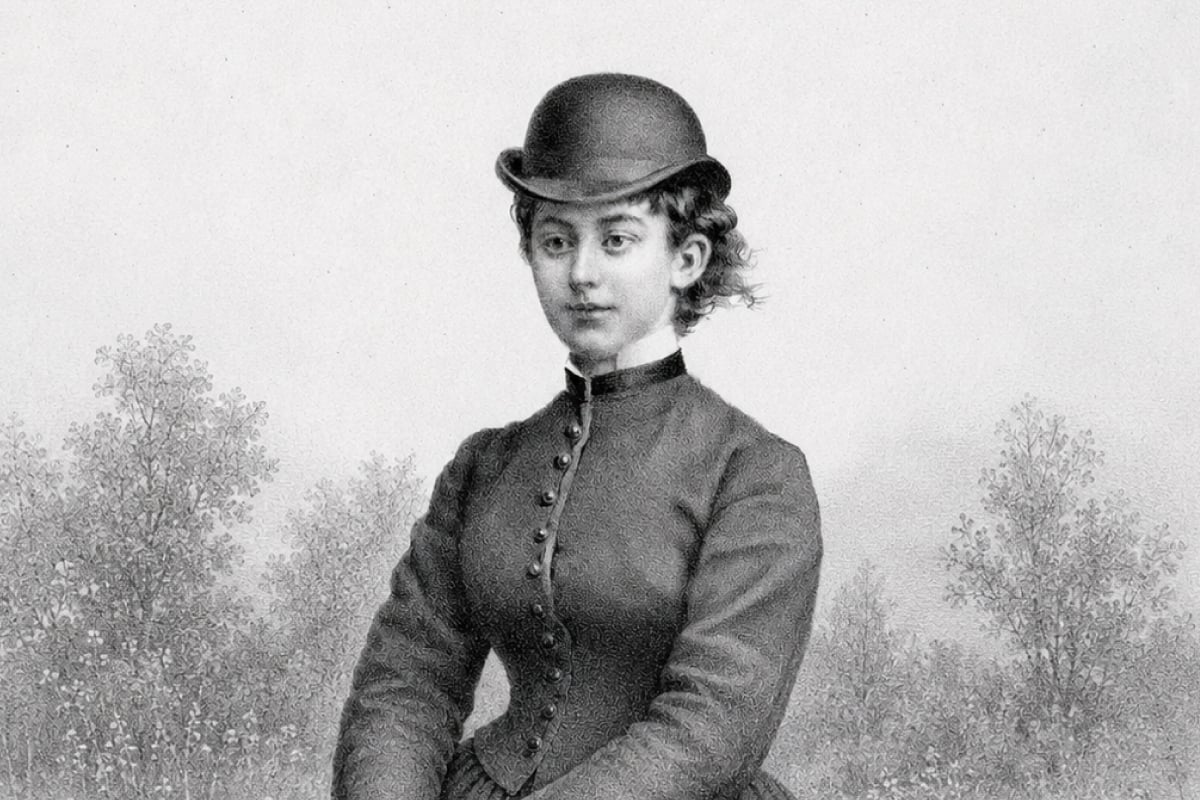
In 1879, the Scottish writer Lady Florence Dixie rode on horseback through southern Patagonia and became the first outsider to gaze upon the peaks she named "Cleopatra's Needles." Published a year later, her account helped introduce the world to a landscape that today lies within Torres del Paine National Park.
Long before Torres del Paine became one of the world's most celebrated natural destinations, three reddish peaks came into view for a young British traveler making her way on horseback across Patagonia.
Her name was Lady Florence Dixie. What she found at the end of that journey would be set down in a book and would place Laguna Azul at the center of one of the first international stories ever told about the Torres del Paine.
From Scotland to Patagonia
Born in Scotland in 1855, Florence Dixie led a life unlike that of most women in Victorian aristocracy. She was a writer, a journalist, and an early advocate for a greater role for women in public life — and a traveler drawn to places far from the well-worn routes.
Late in 1878, she decided to step away from British social life and set out for Patagonia. She traveled with her husband, two of her brothers, and the writer Julius Beerbohm. Once they reached Punta Arenas, the group gathered horses, supplies, and guides and headed deep into the far south for several weeks.
The expedition pushed across the pampa, rivers, and forests, following routes already known to those who lived on and moved through the land. For Dixie, Patagonia was exactly what she had come looking for: distance, freedom, and a landscape wholly unlike any she knew.
The "Cleopatra's Needles"
As they drew closer to the mountains, three great peaks began to stand out against the horizon. Their shape reminded Florence Dixie of the Egyptian obelisks known in Europe as Cleopatra's Needles, and so she began to call them by that name.
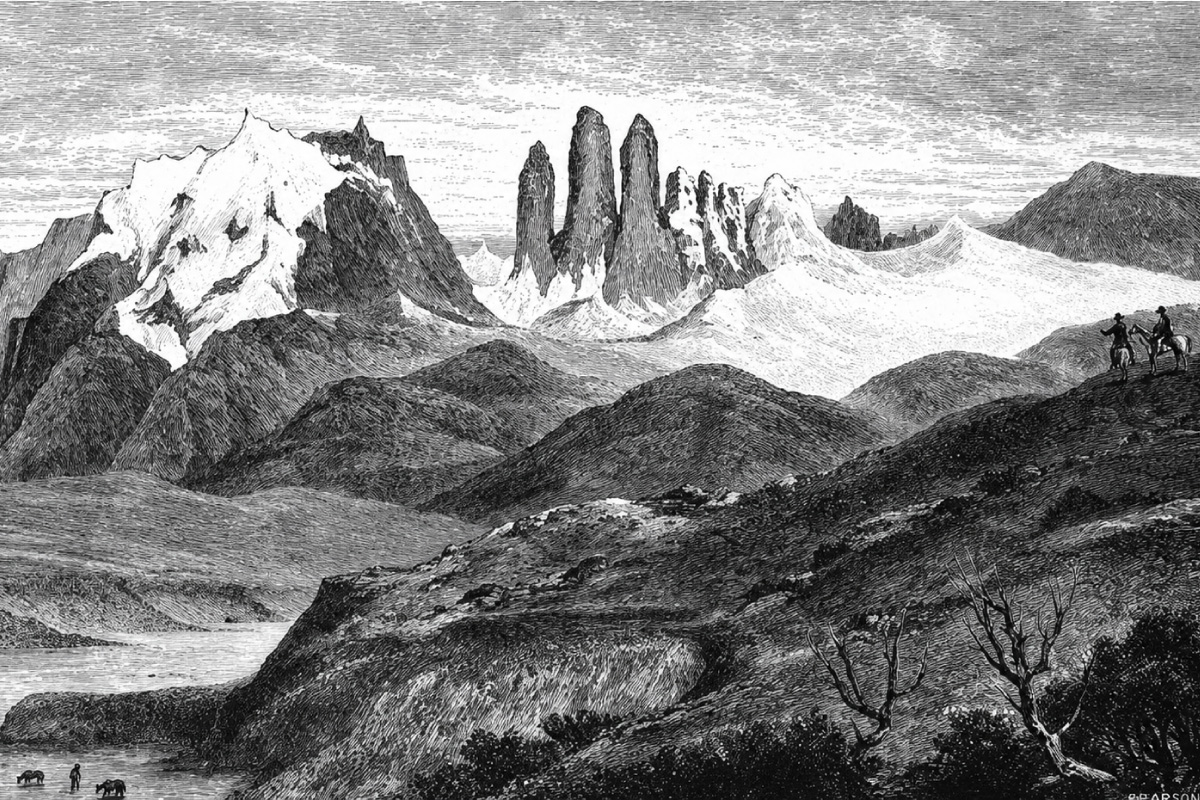
*BBC News
Determined to get closer, she set off on a side excursion with a few of her companions and one of the guides. After crossing forests, boggy ground, and a river, they reached the shore of a lake of deep, vivid blue.
On the far side rose the three peaks, framed by mountains and glaciers that reflected on the water's surface. In her book Across Patagonia, Dixie recalled that the group stood in silence, held by the scene before them.
Those peaks are the ones we now know as the Torres del Paine. In her book, published in London in 1880, she described them as three reddish spires rising among the glaciers of the range.
Laguna Azul: A Story That Traveled the World
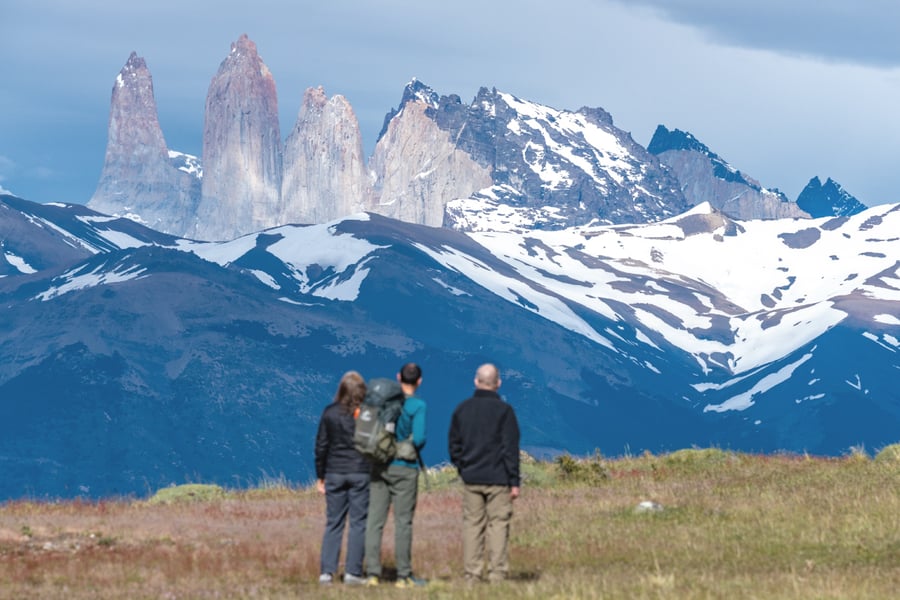
The lake Florence Dixie described is Laguna Azul, in the eastern sector of Torres del Paine National Park. From its shores, the massif opens up in full view, the Torres rising in the distance above the pampa.
The publication of her book carried that image to readers who had likely never seen — or even heard of — these mountains. Her account is considered the first description of the Torres del Paine to circulate internationally, several decades before the national park was created.
Dixie's significance lies not in having "discovered" a land that, long before she arrived, was already part of the history of the Indigenous peoples of Torres del Paine. Her legacy is in leaving one of the earliest travel accounts that brought this landscape closer to readers in other parts of the world.
Laguna Azul, then, is far more than a viewpoint. It is the place from which an image of the Torres first began to travel the world.
From Exploration to Conservation
Nearly a century and a half later, those same peaks still draw thousands of travelers from around the globe. What has changed is the way we approach the land itself.
Dixie's journey was shaped by the practices and the outlook of nineteenth-century Europe, including the hunting of animals along the way. Today, those same species are part of an ecosystem to be observed and protected, not pursued.
Staying on the marked trails, keeping your distance from wildlife, and treading more lightly with every visit are all part of a more mindful way of coming to know Patagonia. Florence Dixie's story lets us hold two eras side by side: the one in which the first travel writing carried the Torres to readers abroad, and our own, in which the challenge is to preserve this landscape for the generations to come.
Discover Laguna Azul with Las Torres Patagonia
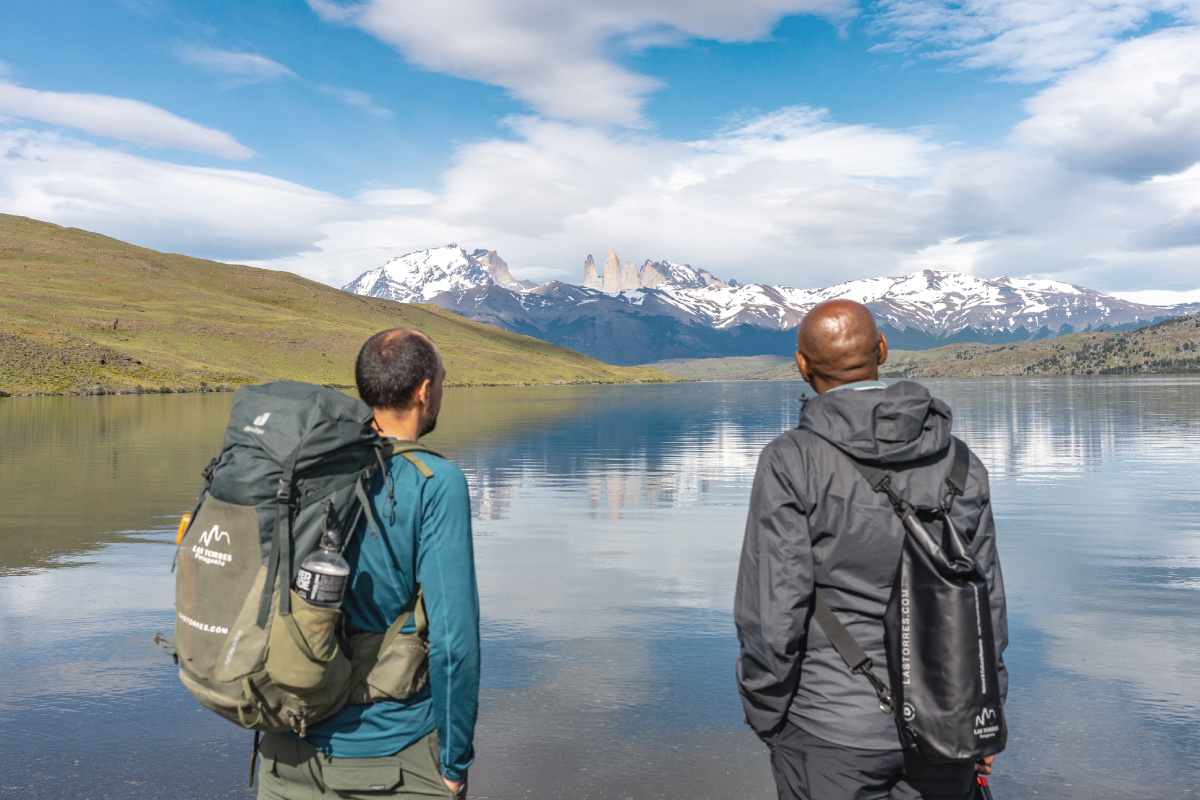
Guests at Hotel Las Torres can explore different corners of Torres del Paine National Park on guided full-day and half-day excursions.
One of them is the Laguna Azul Tour, a half-day outing that pairs a van ride with a walk along the lagoon's shore. From there you can take in the granite peaks from a different angle, learn the story of Lady Florence Dixie, and visit other sights in the area, such as the Cascada Paine.
Explore the excursions available at Las Torres Patagonia and discover the landscapes, the wildlife, and the stories woven into this extraordinary place.