- 4 mins
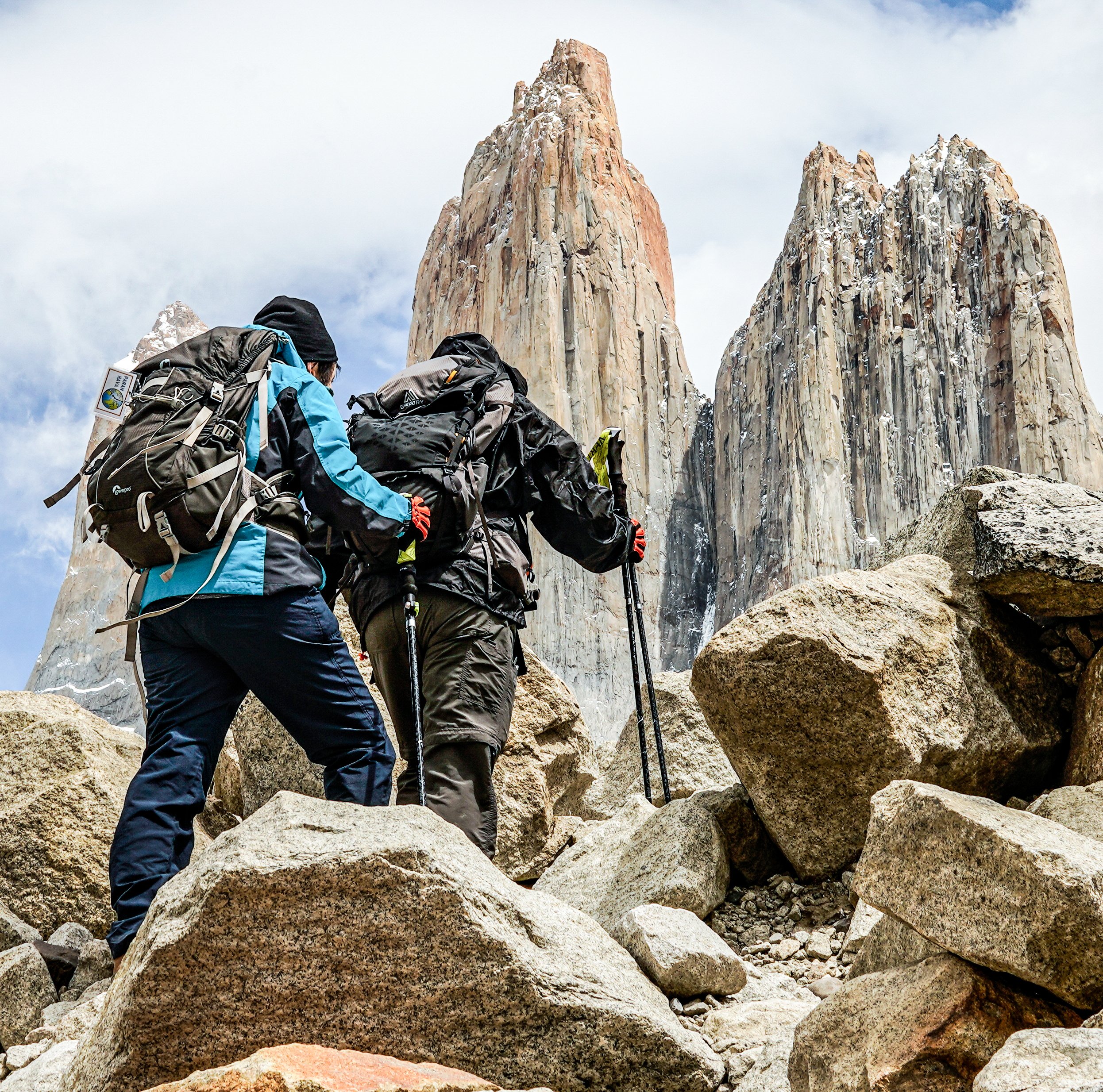
Visiting Torres del Paine is a transformative experience. Travelers from around the world come to immerse themselves in a natural environment that can only be found here, at the end of the world. Colorful sunrises, lush forests, unparalleled wildlife, and stunning geological formations await you at every turn.
This scenery is possible thanks to the dedication of thousands of people who work to safeguard and protect every natural element of this park. This responsibility does not fall solely on public or private organizations; every visitor is also responsible for the creatures and plants that make the park their home.
This blog will tell you everything you need to know to be a responsible tourist in Patagonia, because it is important to leave no trace of your visit to these lands, but rather let Patagonia make its mark on you.
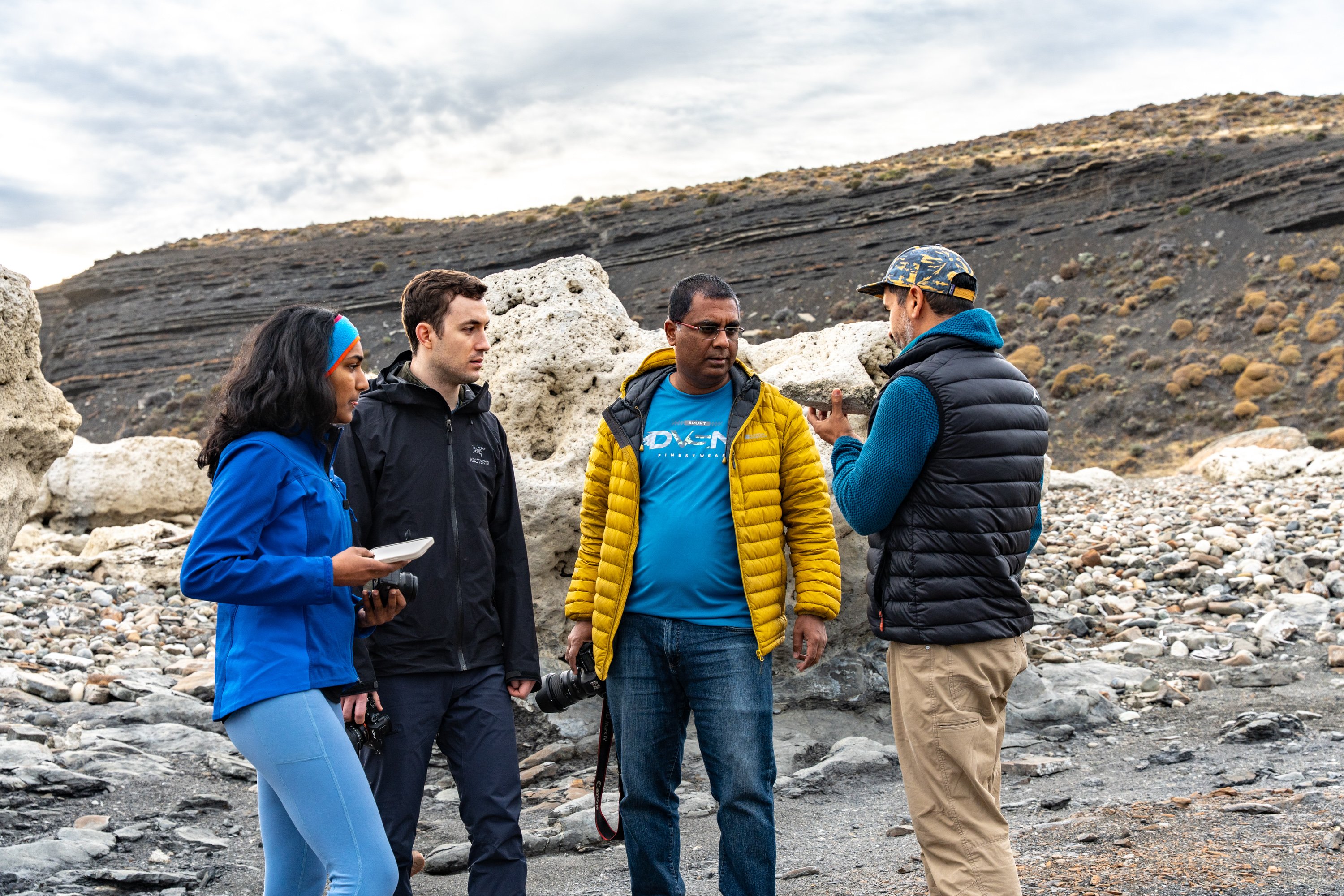
When hiking in the park: Look but don’t touch
Just like visiting a museum, it is important to let your eyes do the exploring, not your hands. Naturally, you can let the river run through your fingers or caress the bark of the trunks that support the canopy of leaves above. But remember that every element has a purpose in this fragile ecosystem, from the small leaves that color the landscape green to the tiny flowers that sprout all around.
It is important to leave nature as you find it in order to ensure that the ecosystem continues in its natural state. One leaf may not make a difference, but if every visitor were to remove part of Patagonia’s natural landscape, it would be a significant amount of organic matter.
So remember, please don’t take elements of nature that will most likely dry out and be forgotten once you get home. Let the flowers continue to bring their unique beauty to Patagonia and be part of the larger circle of life. A photograph will suffice.
Patagonia needs no souvenirs: If you bring something, take it with you
It might seem obvious, but that is not always the case. The trails often reveal evidence that people have walked along these paths. Pieces of walking sticks that gave way under strain, forgotten bottle caps, snack wrappers that fell out along the way, or even scraps of paper. It's not always the case, but it does happen.
When hiking the trails that stretch across Torres del Paine National Park, remember to take everything you bring with you, use your backpack, a special bag, or even just your pockets, and leave no trace of your journey through Patagonia.
If you can, and we hope you can, take all your trash back with you to the city. There are no garbage trucks in the national park to collect trash from the waste collection points in the area. By taking your trash with you, you will be helping the park workers who have to collect visitors’ trash every day. Remember, the national park is home to animals and plants; we are only visitors. Don’t leave your trash in someone else’s home.
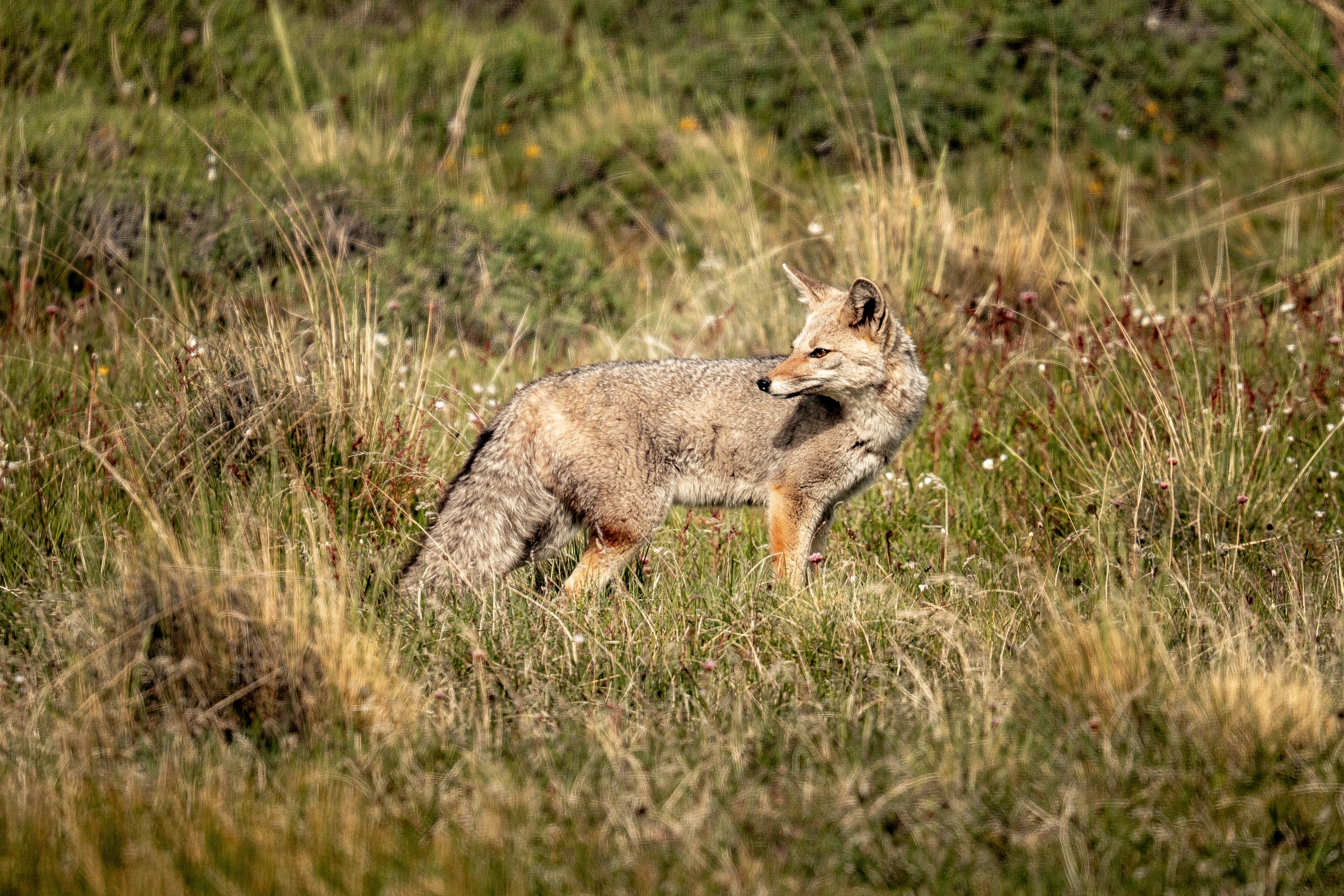
Nature has its own rules: Do not disturb animal behavior
We must now discuss two important points. First, feeding animals. Wild animals have very special diets. That granola bar is not a suitable gift for the little bird that has been watching you from the ground.
The national park provides a food source for all animals, from the worms that birds hunt in the damp soil, to the puma, who is capable of taking down a mighty guanaco, a wild llama. Never feed the animals.
Which brings us to the second point: nature can be cruel. You may witness animals hunting, such as a puma chasing a hare or a guanaco for dinner, and it is important not to interfere with these natural processes. Tourists from other parts of the world sometimes come to the aid of small herbivores that are fleeing predators, either by scaring them away or throwing objects at them. This is not right. We must let nature unfold at its own pace, as each animal has a purpose in the chain.
Similarly, if you see a starving animal, you should not help it either. You must let nature take its course and allow everyone to play their part in the great cycle of life.
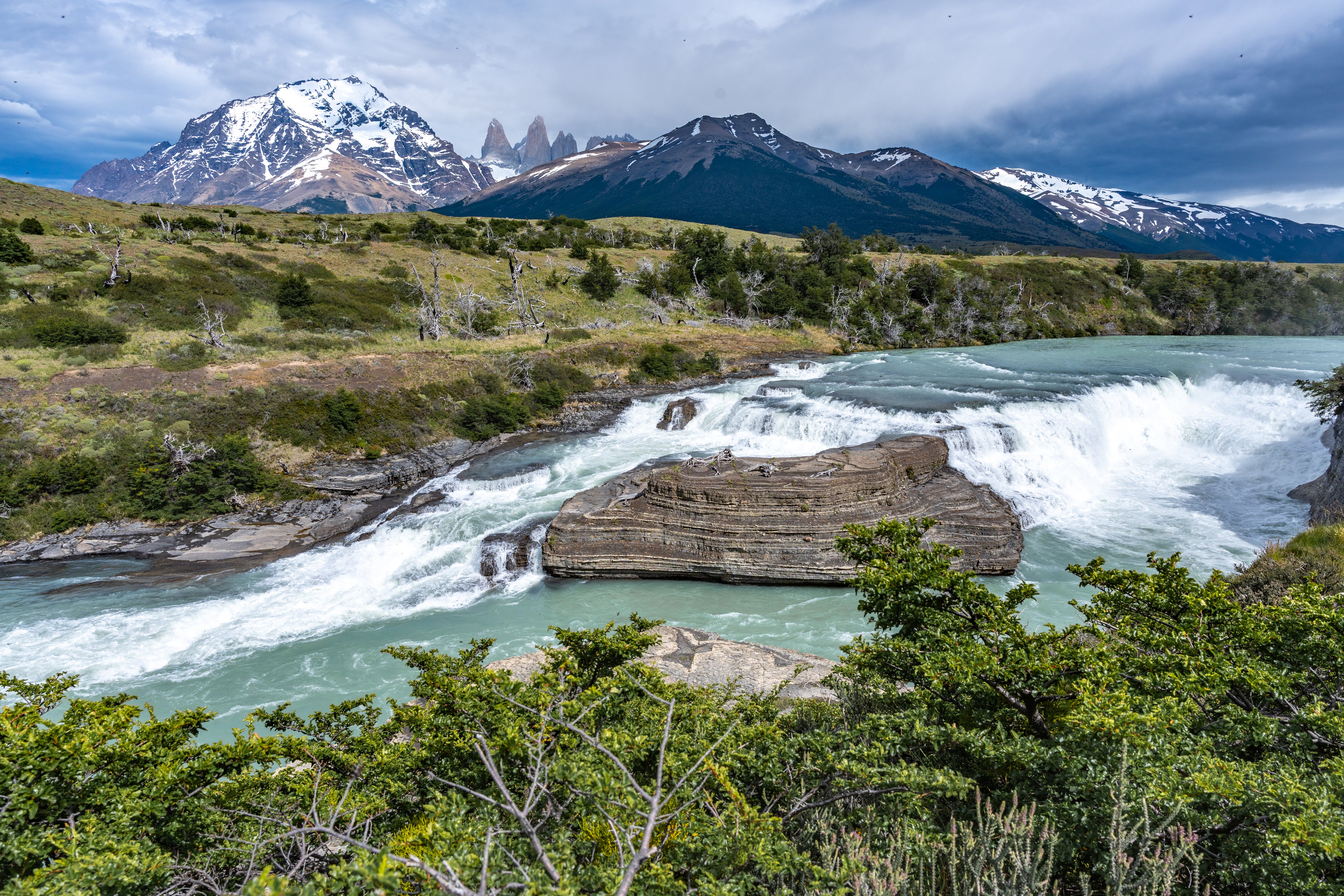
Take care of the park’s resources
Drinking water is a must to keep you cool and hydrated during your hike. Many people choose to use river water to fill their bottles or canteens and cool off, just like the park’s wildlife. Remember, you should never drink water that is not flowing.
This is why we must take care of these water sources, which many members of the Patagonian ecosystem depend on every day. Do not use rivers, lakes, or lagoons for any purpose that could damage the ecosystem, such as washing eating utensils or your body with shampoo or soap, and do not dump leftover liquids from your containers.
As we have mentioned above, the motto here is to leave the national park exactly as you find it.
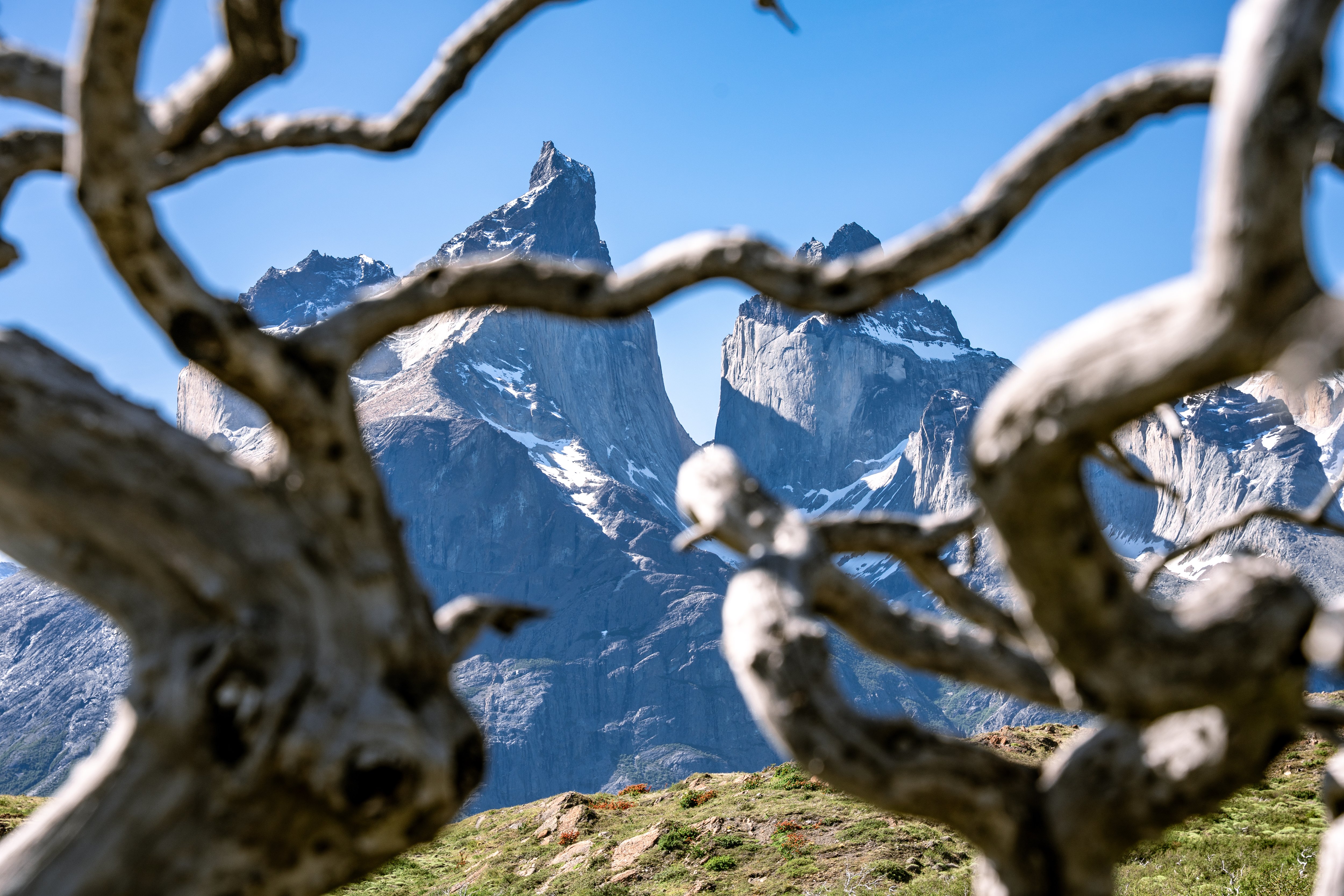
Fire: Prevent forest fires at all costs
A single flame can catch and ignite hundreds and thousands of acres, devastating everything in its path. The last fire that ravaged Torres del Paine National Park, from December 2011 to March 2012, spread at an average rate of 2,500 hectares per day. More than 10 years after this disaster, the damage is still visible from a distance, leaving forests of white trunks where there was once life.
Torres del Paine National Park is a fragile ecosystem. Its summer winds, which can exceed 100 km/h, and its dry grasslands are risk factors for potential fires, so any potential hazards must be minimized.
Do not use stoves in unauthorized areas, do not smoke cigarettes in prohibited areas, and above all, do not attempt to burn your trash. The latter may seem far-fetched, but it is how the park's last major fire was started.
Remember that hundreds of animals and plants have made this place their home. Let's protect this space so that nature can continue to grow freely, and we can continue to enjoy the wonderful landscapes that Patagonia has to offer.
To learn more about our conservation initiatives to protect Torres del Paine National Park, click the following link: https://lastorresconservancy.org/